Free Lettings Valuation
Explore our letting solutions, from full management to guaranteed rent – starting with a free valuation.
Property Valuation
"*" indicates required fields


East Ham, in the London Borough of Newham, is one of East London’s most established residential neighbourhoods. Known for its multicultural character, accessible property prices, and convenient transport links to central London, it has long attracted families, first-time buyers, and property investors. In this comprehensive area guide, we cover everything you need to know about life in East Ham – from its property market and schools to healthcare, dining, green spaces, and the regeneration shaping its future.
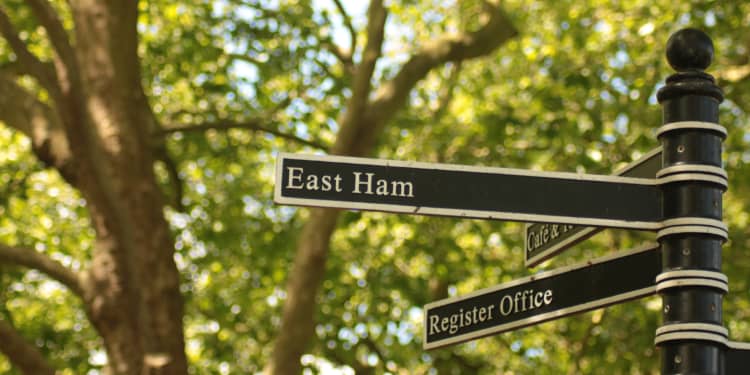
Whether you’re considering a move, weighing up an investment, or simply exploring your options, the sections below draw on reputable sources to give you a thorough, practical picture of what East Ham offers in 2026 and beyond.
East Ham sits approximately eight miles east of Charing Cross, within Zone 3 of the London Underground network. It falls within the E6 postcode and is bordered by Upton Park to the west, Manor Park to the north, Beckton to the south, and Barking to the east. The area forms one of eight designated Community Neighbourhoods within the London Borough of Newham, giving it a defined civic identity with its own town centre, community assets, and local investment priorities.
The neighbourhood’s character is defined by its busy high street, its Victorian and Edwardian terraced housing stock, and the sheer diversity of its population. East Ham has one of the most culturally varied communities anywhere in London, with residents drawn from South Asian, African, Caribbean, Eastern European, and many other backgrounds. This diversity is reflected in the area’s shops, restaurants, places of worship, and community organisations.
High Street North forms the commercial spine of East Ham, running from Barking Road up to East Avenue. It hosts a dense mix of independent retailers, international food stores, banks, pharmacies, and cafes, giving the area a lively, self-sufficient feel. Recent investment through Newham Council’s Shape Newham programme has enhanced the public realm around the high street and East Ham station, introducing new signage, colourful street furniture, purpose-built bike racks, a town clock, and public artwork celebrating the local community. The council has described East Ham as home to “strong civic, cultural, faith, and community assets,” and is supporting further initiatives aimed at strengthening the town centre and the local economy.
For commuters, East Ham station provides District and Hammersmith & City line services that reach Liverpool Street in roughly 25 to 30 minutes, placing the City and the West End within easy daily reach. Combined with comparatively affordable property prices, this accessibility is a key part of East Ham’s enduring appeal.
East Ham’s roots stretch back far beyond its current identity as a busy London neighbourhood. For centuries, the area was open farmland and marshes on the northern edge of the Thames estuary, with a small settlement clustered around the Parish Church of St Mary Magdalene – a Norman church built around 1130 that still stands today and is recognised as the oldest Norman church in London in regular weekly use. The surrounding churchyard, now managed as the East Ham Nature Reserve, has been in use since at least the 12th century.
Key dates in East Ham’s development include:
The Victorian and Edwardian terraced houses that line many of East Ham’s residential streets date from this period of rapid expansion and remain the dominant property type today. Landmarks such as East Ham Town Hall (opened in 1903), Central Park, and the Grade II* listed Church of St Mary Magdalene serve as tangible links to the area’s past. The churchyard and nature reserve even house the graves of passengers from the RMS Titanic, adding an unexpected layer of historical interest to this quiet green space.
Throughout the 20th century, East Ham evolved from a largely working-class English suburb into one of London’s most diverse communities. Successive waves of migration – particularly from South Asia, East Africa, and the Caribbean from the 1960s onwards – reshaped the area’s culture, commerce, and identity. Today, that diversity is one of East Ham’s defining and most celebrated features.
East Ham consistently attracts interest from a broad range of home movers, and there are several tangible reasons for this. The area occupies a practical middle ground: it is affordable enough to offer genuine value within the London market, while still being well connected, well served by local amenities, and close to major employment centres.
East Ham’s property market reflects a neighbourhood with steady demand, underpinned by good transport links, local amenities, and relative affordability within the London context. According to recent data, the average sold price for properties in East Ham over the past twelve months is approximately £413,735 (Zoopla), with other sources placing the figure at around £416,375 (GetAgent). Properties in the area spend an average of around 15 weeks on the market.
Average prices by property type are as follows:
| Property Type | Approximate Average Price |
| Terraced Houses | £440,000 – £450,000 |
| Semi-Detached Houses | £500,000 – £510,000 |
| Flats | £240,000 – £285,000 |
| Detached Houses | From £600,000+ (rare; limited stock) |
Rental prices remain comparatively accessible for London, with two-bedroom flats typically ranging from £1,400 to £2,000 per month and three-bedroom houses commanding £1,800 to £2,500 depending on condition and exact location. Rental demand in East Ham remains robust, supported by the area’s transport links and the wide pool of tenants who work in the City, Canary Wharf, and Stratford.
Looking at the broader picture, the London property market is expected to see modest price growth of around 1 to 2% in 2026, according to analysts at Savills and Knight Frank, with the national average slightly higher at 2 to 4%. East London’s performance is likely to vary by property type: houses in well-connected locations tend to hold their value more firmly, while flats – particularly new-build stock – may see softer growth. For East Ham, the combination of ongoing regeneration, strong rental demand, and relatively affordable entry prices continues to make it a practical choice for both owner-occupiers and investors.
It is worth noting that from 1 May 2026, the Renters’ Rights Act 2025 will bring significant changes to the private rental sector. Section 21 ‘no-fault’ evictions will be abolished, all assured shorthold tenancies will convert to periodic agreements, and rent increases will be limited to once per year via a statutory process.
Landlords and tenants in East Ham should familiarise themselves with these changes, which are designed to give renters greater security while maintaining fair grounds for landlords to recover their property when needed.
Transport connectivity is one of East Ham’s strongest practical assets, and it plays a central role in the area’s appeal to commuters, families, and investors.
Want to find out more? Take a look at the best streets in East Ham and browse the various property types in East Ham to find your ideal home.
Education provision is a significant draw for families considering East Ham. The area benefits from a range of primary and secondary schools, several of which hold strong Ofsted ratings. The London Borough of Newham has invested in school facilities and standards, and the results are visible in the performance data.
Notable schools in and around East Ham include:
For families with younger children, a range of state-funded and independent nurseries and early years providers operate across the area. Looking further ahead, the University of East London’s Stratford campus is within easy reach, and Newham’s proximity to Queen Mary University of London and other institutions makes higher education accessible for older students.
The strength of local schooling – particularly the remarkable record of Brampton Manor Academy – is frequently cited as a factor driving family demand for housing in the East Ham area.
East Ham’s high street and surrounding roads form a busy, well-stocked commercial centre that serves the daily needs of a large and diverse local population. The area has a notably self-sufficient character: most residents can find everything they need within walking distance, from groceries and clothing to banking and healthcare.
Beyond shopping, East Ham offers a good range of practical amenities. East Ham Leisure Centre provides a swimming pool, gym facilities, and regular fitness classes. East Ham Library serves as a community hub. The area also benefits from several post offices, opticians, dental practices, and dry cleaners, giving it the feel of a complete, self-contained town centre within the wider London landscape.
East Ham’s food scene is one of its genuine highlights, shaped by the remarkable diversity of the local population. The area is widely recognised across London for the quality and range of its South Asian cuisine in particular, but the dining options extend well beyond any single tradition.
Along High Street North and Barking Road, you will find a dense concentration of restaurants, cafes, takeaways, and sweet shops representing Indian, Bangladeshi, Pakistani, Sri Lankan, Turkish, Afghan, Somali, Nigerian, Caribbean, and Vietnamese culinary traditions, among others. Notable spots include:
East Ham’s sweet shops and bakeries are also worth noting. Several establishments on the high street specialise in Indian sweets (mithai), freshly made samosas, and snacks, drawing customers from across East London.
The area is not primarily known as a nightlife destination, though there are several friendly pubs, social clubs, and late-night cafes. For a broader evening out, Stratford (with its Westfield shopping centre, theatres, and cinema complex) and Ilford are both a short bus ride away. The opening of Sadler’s Wells East and the V&A East in nearby Stratford has further expanded the cultural and entertainment options within easy reach of East Ham residents.
Access to healthcare is good in East Ham, with a range of NHS and private providers serving the local population.
Despite its urban density, East Ham benefits from several parks and green spaces that provide residents with room for exercise, relaxation, sport, and play. These spaces are well maintained and within walking distance for most of the local population.
No matter which part of East Ham you settle in, parks and open spaces are likely to be within a short walk, each typically offering children’s play areas, seating, and space for sport and relaxation.
East Ham offers a combination of relatively affordable entry prices, strong and consistent rental demand, and proximity to central London that makes it attractive to property investors. The area has a track record of steady price growth over the past decade, and ongoing regeneration through the Shape Newham programme and wider Newham Council investment continues to improve the public realm and local infrastructure.
The 2026 property market outlook for East London points to modest but stable growth, with well-located houses tending to outperform flats. Investors should also be aware of changes under the Renters’ Rights Act 2025, including the abolition of Section 21 evictions from May 2026, the shift to periodic tenancies, and new requirements around the Private Rented Sector Database and Ombudsman Scheme from late 2026 onwards.
Victorian and Edwardian terraced houses are by far the most prevalent property type in East Ham, typically offering two to four bedrooms arranged over two or three floors. Many feature period details such as bay windows, decorative cornicing, and tiled hallways.
In recent years, new-build flats and apartments have been added to the housing stock, including the Upton Gardens development on the former Boleyn Ground (West Ham United’s old stadium). Purpose-built flats, maisonettes, and converted houses also feature in the local market, giving buyers and tenants a range of options across different budgets.
Typical journey times from East Ham station on the District or Hammersmith & City line are approximately 25 to 30 minutes to Liverpool Street, around 35 minutes to Westminster, and roughly 45 minutes to Paddington.
Changing at West Ham provides access to the Jubilee line for Canary Wharf (under 20 minutes) and the DLR for London City Airport, Excel, and the Royal Docks. Bus services also connect East Ham to Stratford, Barking, Ilford, and other East London destinations. Check TfL’s Journey Planner at tfl.gov.uk for specific routes and up-to-date travel times.
Yes. East Ham is served by a number of primary and secondary schools rated ‘Good’ or ‘Outstanding’ by Ofsted. Brampton Manor Academy stands out nationally: its selective sixth form is the top-performing post-16 provider in the region, and the school has sent over 400 students to Oxford and Cambridge since 2012. In 2025, more than 250 students achieved straight A* or A grades at A-level, outperforming many of the country’s most established independent schools.
Vicarage Primary School holds an ‘Outstanding’ rating, and several other local primaries and secondaries are rated ‘Good’. Newham Collegiate Sixth Form Centre offers another strong post-16 option. The borough’s educational performance is a genuine selling point for families considering the area.
East Ham is benefiting from sustained public investment. The Shape Newham programme has delivered visible improvements to the high street, station area, and nature reserve, including new public artwork, enhanced street furniture, and a colourful redesigned station entrance. A government Pride in Place grant of £1.5 million awarded in late 2025 includes funding for further East Ham High Street improvements.
The council has described East Ham as a priority neighbourhood, with strategic work underway to plan the future of its town centre. Nearby, the opening of major cultural venues in Stratford – including Sadler’s Wells East and the V&A East – has added significantly to the cultural amenities within easy reach. New housing developments, including the 100% affordable Later Living scheme shortlisted for the 2026 RIBA London Awards, demonstrate that high-quality new homes are being delivered in the area.
East Ham offers an accessible entry point to the London property market, backed by reliable transport, practical day-to-day amenities, strong schools, and the kind of sustained investment that signals confidence in the area’s future. Whether you’re looking to buy your first home, find a rental property, or explore investment opportunities, East Ham deserves serious consideration.
To explore available properties or for tailored advice on the East Ham market, contact Lint Group. Our team has deep local knowledge and can help guide you through every step of the process.
Explore our letting solutions, from full management to guaranteed rent – starting with a free valuation.
"*" indicates required fields
Want to discuss something more specific?
Contact us, and we will be more than happy to help you.
"*" indicates required fields

Most buyers arrive in Dagenham expecting rows of identical inter-war semis and leave having discovered something far more interesting. Fr...
Two streets in Dagenham can share the same postcode yet differ in price. Knowing which side of that gap you're on could be the most valua...
Dagenham has a reputation that doesn't quite match reality - and for buyers, that gap represents opportunity. Sitting less than twelve mi...


