Free Lettings Valuation
Explore our letting solutions, from full management to guaranteed rent – starting with a free valuation.
Property Valuation
"*" indicates required fields


Selling a house that needs repairs? Don’t worry – there are many buyers out there looking for a property like yours.
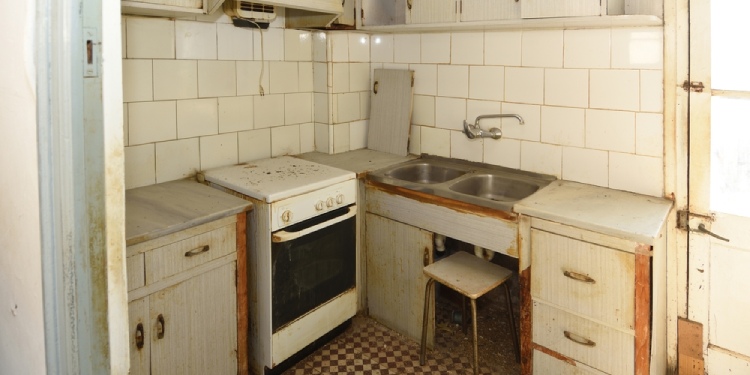
The East London property market experiences demand from property developers and investors looking for a well-priced renovation project. First-time buyers seeking a cheaper home to get on the property ladder often gravitate to areas like Beckton, Stratford, Dagenham and Thurrock as well.
But it’s helpful to step back and consider how the property’s condition might affect your selling strategy. To start you off, we explain how to sell a house that needs repairs with step-by-step tips.
Yes, you can sell a fixer-upper if you market it honestly and have a realistic impression of how the property’s condition could affect its selling price. Consider how serious the problems are, and how extensive the renovation works would be, to determine the potential asking price and who your target buyers might be.
Properties in good condition structurally, but in need of cosmetic improvements, a fresh coat of paint or perhaps new kitchen cabinets. Essentially habitable, but buyers would likely want to modernise it.
The new owner would need to repair the property – perhaps due to damp, a leaking roof or plumbing issues. This could include more extensive upgrades needed.
A house with serious structural problems such as subsidence or a collapsing roof or health and safety hazards that make it unsafe to life in. The buyer would need to correct these, at significant cost.
Straightforward repairs like fresh paintwork, clearing the garden to improve kerb appeal, upgrading light fittings and replacing broken doors to make a better first impression, could make a noticeable difference. Structural repairs could transform your property from challenging to sell, to an appealing prospect – depending on your target market.
Selling as-is can fetch a lower selling price and limit your pool of buyers, but could be faster and easier than carrying out renovations. Consider the return on investment. For example, the Federation of Master Builders estimates that a new bathroom could increase a property’s value by around 5%. Checkatrade estimates that a new bathroom costs around £7,000, and £10,000 for a new kitchen.
When selling a house that needs renovation, keep your target buyers in mind as you prepare your house for sale.
You need a solid pricing strategy to achieve the best possible price when selling a renovation property, while staying competitive and realistic. Price too highly, and your property could sit on the market for months. Here’s a breakdown of the process.
For example, take a terraced house in Ilford where a similar property in good condition sells for £520,000 (around the average selling price according to Rightmove). If your property needs repairs worth £30,000, you might set an asking price of £485,000 to £490,000. Good estate agents can provide a valuation for the ‘fixer-upper’ market.
A tried-and-trusted method, even if you are selling a property that needs major repair. Local estate agents know buyers who are looking for doer-upper properties, and will generally seek the best possible price.
Property auctions tend to attract buyers who may buy a house that needs major repairs that could cause mortgage issues. Fees can be lower, but you will traditionally achieve a lower selling price.
Cash buyers can offer a fast sale and accept unmortgageable properties, but be cautious, particularly when it comes to house buying companies. You may achieve a lower selling price, but quick sale companies’ fees can be high, and they have been known to reduce their offer late in the process.
Every property is different, but if you’re unsure how to sell a house that needs repairs, these tips could help:
Yes. Properties with serious structural issues like subsidence, underpinning requirements or roof failure do sell, though your buyer pool narrows considerably. Most mortgage lenders won’t lend on properties with significant structural defects, so your likely buyers are cash purchasers, developers or auction bidders.
A structural engineer’s report can help quantify the work needed, which gives prospective buyers confidence to make an informed offer rather than walking away.
It depends on the cost of repairs relative to the uplift they’d bring. Quick cosmetic improvements tend to offer the best return for minimal outlay. For bigger jobs, get itemised quotes and weigh them against realistic local sale prices — if spending £15,000 on repairs would only add £10,000 to your achievable price, selling as-is is the pragmatic choice. Your timeline matters too: if you need a fast sale, major renovation works could delay you by months.
As a general rule, buyers deduct more than the raw repair costs because they’re taking on the risk, inconvenience and project management themselves. Expect offers that factor in the full repair bill plus a margin — typically meaning a discount of around 10–20% below the market value of a comparable property in good condition, depending on the severity of the work. Properties that are unmortgageable tend to sit at the steeper end of that range.
Focus on anything that’s cheap to fix but creates a disproportionately negative impression: dripping taps, broken door handles, cracked window panes, overgrown front gardens and flaking exterior paintwork. These signal neglect and can make buyers assume worse problems lurk beneath. Safety essentials — a working boiler, functioning smoke alarms, safe electrics — also matter, because they can stall or derail a sale if flagged in a survey.
Timescales vary, but a realistically priced fixer-upper in an area with developer or investor demand can sell within a similar timeframe to other properties — sometimes faster, because cash buyers and developers often move more quickly than chain-dependent purchasers. Overpricing is the main cause of a slow sale. If your property has been on the market for several weeks without viewings, the price is usually the issue rather than the condition.
It depends on the nature of the problems. Most lenders will finance a property that needs cosmetic updating or moderate refurbishment, provided it’s habitable and structurally sound. However, properties without a functioning kitchen or bathroom, those with severe damp, subsidence or a defective roof, or those lacking basic services may be classed as unmortgageable.
In these cases, buyers typically need to purchase with cash or use specialist bridging finance, which is more expensive and shorter-term.
A cash buyer or quick-sale company can complete in as little as two to four weeks because there’s no mortgage approval process. Auction is another fast route — once the hammer falls, the buyer is legally committed and completion typically follows within 28 days.
Both options usually come at the cost of a lower sale price. If speed is your priority, make sure you have your legal paperwork, title documents and any survey or repair reports ready before you go to market to avoid unnecessary delays.
Yes, though both issues can significantly affect price and the type of buyer you attract. Damp ranges from minor condensation problems, which are relatively cheap to remedy, to serious penetrating or rising damp requiring specialist treatment.
Subsidence is more complex — a buyer will want to know whether it’s historic and resolved, or active and ongoing. Having a surveyor’s report or specialist assessment available upfront can speed up negotiations and reassure serious buyers.
In England and Wales, the seller completes a Property Information Form (the TA6) as part of the conveyancing process, which asks direct questions about disputes, building work, flooding and structural issues, among other things. You are legally required to answer honestly.
Deliberately concealing known defects can expose you to a claim for misrepresentation after completion. Being upfront about problems also builds trust with buyers and reduces the chance of a sale collapsing after a survey.
Neither is universally better — it depends on your property and priorities. An estate agent gives you more control over the process and typically achieves a higher price through negotiation, especially if your property appeals to a range of buyer types.
Auction suits properties that are harder to mortgage or where you want certainty and speed — exchange happens on the day, with a fixed completion deadline. Discuss both options with a local agent who handles renovation properties, as some now offer hybrid approaches including online auction platforms alongside traditional marketing.
If you want to sell a house in Tower Hamlets, Newham, Redbridge or the surrounding areas of East London, contact Lint Group. We can discuss potential strategies to sell your property, whether it’s in walk-in condition or needs repair, and whether you want to sell a house or decide to rent it out.
Explore our letting solutions, from full management to guaranteed rent – starting with a free valuation.
"*" indicates required fields
Want to discuss something more specific?
Contact us, and we will be more than happy to help you.
"*" indicates required fields


Can you add value to your East London property? If you’re thinking of selling your home in Newham, Tower Hamlets or the surrounding areas...

Yes, you can use two estate agents to sell your house in East London. But is it always the best idea? There are pros and cons to selling ...

If you are in the position where you are moving out of your home but you are unsure whether your best option is to se...


